
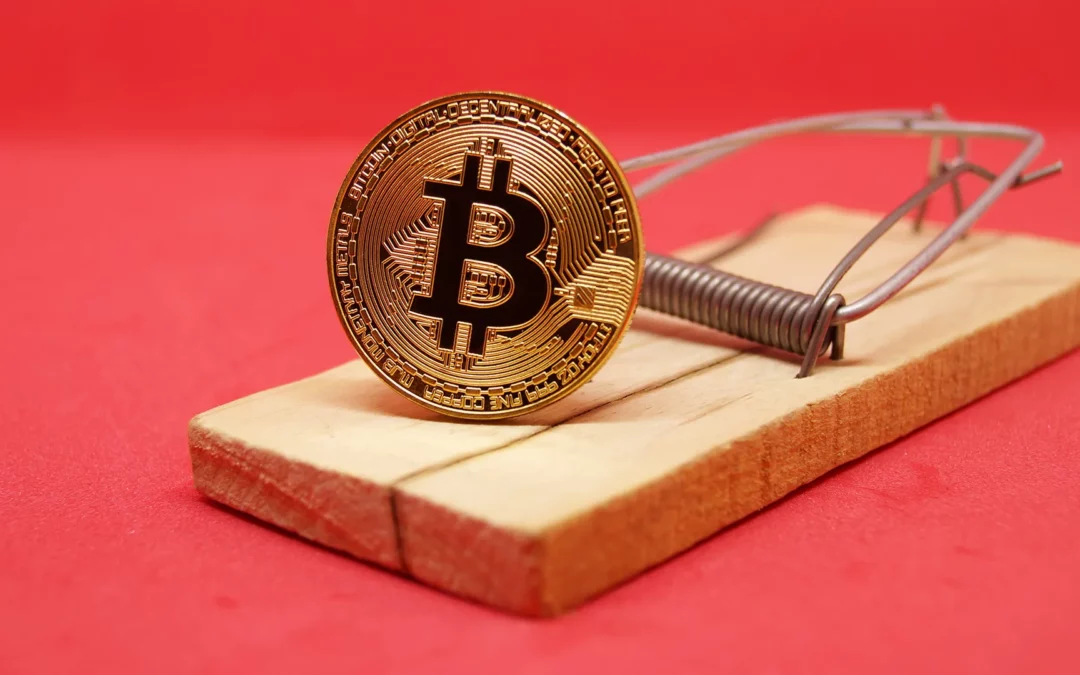
How Do Scammers Usually Trick Bitcoin Beginners?
Bitcoin has opened the door to a new financial world, but it has also attracted scammers looking for easy targets. Unfortunately, beginners are often the most vulnerable. If you’re new to Bitcoin, understanding how scammers operateis one of the most important steps you can take to protect your money.
Let’s break down the most common tricks scammers use—and how to avoid falling for them.
1. “Guaranteed Profit” Investment Schemes
One of the biggest red flags in crypto is the promise of guaranteed returns. Scammers often claim they can double or triple your Bitcoin in a short time using “secret trading strategies” or “AI bots.”
In reality, Bitcoin prices are volatile. No one can guarantee profits. If it sounds too good to be true, it usually is.
2. Fake Giveaways and Impersonation Scams
Scammers frequently impersonate famous Bitcoin investors, influencers, or even well-known companies on social media. They’ll post messages like:
“Send 0.01 BTC and get 0.1 BTC back!”
Once you send Bitcoin, it’s gone forever. Legitimate companies and individuals never ask you to send Bitcoin first to receive more later.
3. Phishing Websites and Fake Wallets
Beginners are often tricked into entering their wallet recovery phrase on fake websites that look identical to real ones. These phishing sites steal your private keys and drain your funds within minutes.
Remember: Never share your private keys or recovery phrase with anyone, and always double-check website URLs.
4. Fake Customer Support Messages
Scammers may contact you pretending to be “Bitcoin support” or “exchange support,” claiming there’s an issue with your account. They’ll pressure you to act quickly and ask for sensitive information.
Bitcoin itself has no customer support. Reputable exchanges will never ask for your password or private keys.
5. Pump-and-Dump Groups
Some scammers invite beginners into private groups promising insider tips. They hype up a low-value coin, encourage everyone to buy, then quietly sell their own holdings at the top—leaving beginners with losses.
If someone claims they have “inside information,” be extremely cautious.
6. Romance and Trust-Based Scams
In some cases, scammers build emotional relationships online before introducing Bitcoin “investment opportunities.” These scams rely on trust rather than technical tricks, making them especially dangerous.
If someone you’ve never met asks you to invest Bitcoin for them or send funds, it’s a major warning sign.
How Beginners Can Stay Safe
- Never rush investment decisions
- Don’t trust guaranteed profit claims
- Use reputable exchanges and wallets
- Enable two-factor authentication
- Learn the basics before investing real money
Final Thoughts
Bitcoin itself isn’t a scam—but scammers exist everywhere money exists. The good news is that most scams can be avoided with basic knowledge and patience. If you stay skeptical, double-check information, and keep learning, you’ll greatly reduce your risk.
Being cautious isn’t fear—it’s smart investing.