
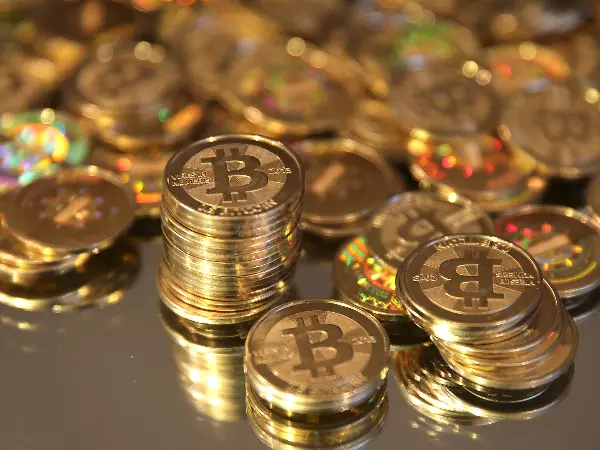
Can Bitcoin Be Copied or Duplicated? Here’s the Truth Explained Simply
One of the most common questions people ask when learning about Bitcoin is: “Can someone just copy it like a file and make more?”
It makes sense to wonder. After all, we copy photos, music, and documents every day. So what stops someone from copying Bitcoin and becoming instantly rich?
The short answer: Bitcoin itself cannot be duplicated or faked. And the reason why is actually what makes Bitcoin so revolutionary.
Why Digital Money Is Usually Easy to Copy
Before Bitcoin, digital money always relied on banks or payment companies. If you send money online, a bank updates its private database to prevent “double spending” — meaning you can’t use the same money twice.
Without a central authority, digital money would be easy to copy. That’s called the double-spending problem, and for decades, nobody could solve it in a decentralized way.
Until Bitcoin.
How Bitcoin Prevents Copying
Bitcoin runs on a technology called the blockchain — a public, shared ledger that records every single transaction ever made.
Here’s what stops duplication:
Every Bitcoin Has a Transaction History
Bitcoin isn’t just a file. It’s a record on a global network of computers. Each coin can be traced back through previous transactions, all the way to when it was mined.
The Network Verifies Everything
Thousands of independent computers (called nodes) check every transaction. If someone tries to copy or reuse the same Bitcoin, the network rejects it automatically.
Cryptography Locks Ownership
Bitcoin uses advanced cryptography. Only the person with the correct private key can spend their Bitcoin. Copying a wallet file won’t help unless you also have the secret key — and those are practically impossible to guess.
Mining Secures the System
Miners add transactions to blocks through complex calculations. This process makes it nearly impossible to alter past records or create fake coins without controlling most of the entire network’s power — which would cost billions.
But Wait… Aren’t There “Bitcoin Copies”?
You might hear about other cryptocurrencies like Bitcoin Cash or Bitcoin SV and think Bitcoin was duplicated.
What actually happened is called a fork — developers copied the code of Bitcoin and launched a new cryptocurrency. But these are separate coins, with different networks, values, and communities.
It’s like copying a recipe, not copying the actual cake.
Your real Bitcoin on the original network remains unique and unaffected.
Can Someone Fake a Bitcoin Transaction?
In theory, an attacker would need to control over 50% of the entire network’s computing power (called a 51% attack). For Bitcoin, this would require enormous money, energy, and hardware — making it extremely unrealistic in the real world.
That’s why Bitcoin is considered one of the most secure financial networks ever created.
The Bottom Line
Bitcoin cannot be copied like a photo or duplicated like a document. Its design prevents double spending through blockchain technology, cryptography, and global network consensus.
While people can copy Bitcoin’s code to create new coins, your Bitcoin itself is unique, verifiable, and protected by one of the strongest security systems in existence.
That’s part of what gives Bitcoin its value — digital scarcity that can’t simply be cloned.